Contents
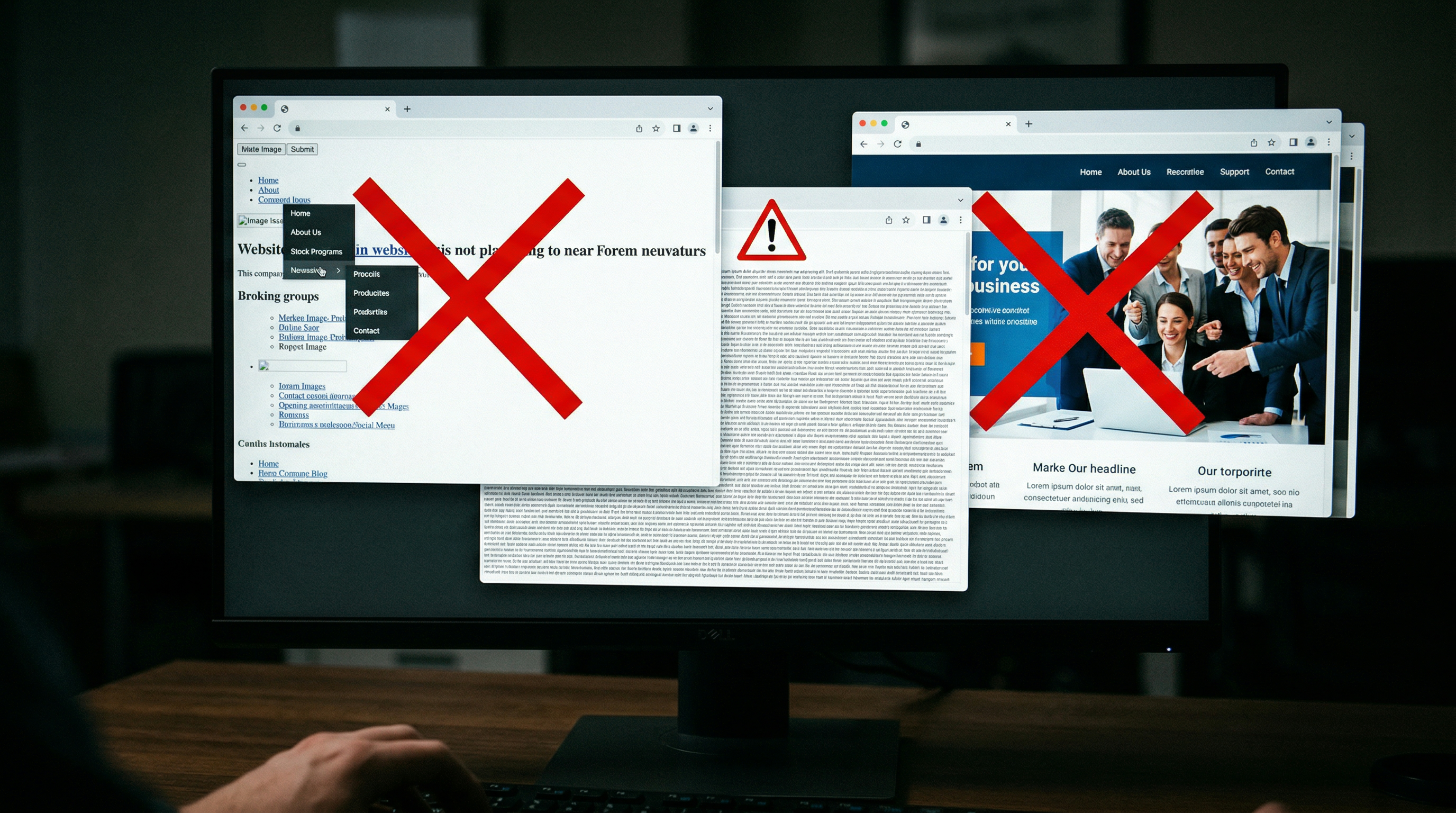
Your website is often the first impression someone has of your business. And unfortunately, many websites are actively working against the brands they're supposed to represent.
Here are three common mistakes that might be costing you customers, and how to fix them.
Mistake 1: Your Website Is Too Slow
We live in an impatient world. If your website takes more than three seconds to load, roughly half of your visitors will leave before they see anything.
Think about that. Half your potential customers, gone, before they even know what you do.
Why It Happens
- Large, unoptimised images
- Too many plugins or scripts
- Cheap hosting that can't handle traffic
- Bloated website builders with excessive code
How to Fix It
Check your speed first. Use Google PageSpeed Insights (it's free) to see how your site performs. Anything below 50 on mobile needs attention.
Optimise your images. This is usually the biggest culprit. Compress images before uploading, and use modern formats like WebP where possible.
Review your hosting. If you're on the cheapest shared hosting plan, your site is probably sharing resources with hundreds of other websites. Consider upgrading.
Remove what you don't need. Every plugin, widget, and fancy animation adds load time. Be ruthless about what actually serves your customers.
Mistake 2: It's Not Clear What You Actually Do
Visit your homepage. Can a stranger tell within five seconds:
- What you do?
- Who you help?
- Why they should care?
If the answer is no, you have a clarity problem.
Why It Happens
- You're too close to your own business to see it objectively
- You've prioritised being clever over being clear
- You've crammed too much information in, diluting the main message
- You're using industry jargon your customers don't understand
How to Fix It
Write for strangers. Assume visitors know nothing about you or your industry. Spell it out simply.
Lead with benefits, not features. Don't say "We offer comprehensive digital marketing solutions." Say "We help small businesses get more customers online."
Use the grunt test. Show your homepage to someone unfamiliar with your business. Ask them: what does this company do, and how would they help you? If they can't answer confidently, rewrite.
One message at a time. Your homepage doesn't need to say everything. It needs to say enough to make visitors want to learn more.
Mistake 3: It's Hard to Take Action
Every page on your website should have a clear next step. But many websites make it surprisingly difficult for visitors to do anything.
Why It Happens
- Contact forms buried at the bottom of long pages
- Phone numbers hidden in footers
- Too many competing calls to action
- Broken links and forms that don't work
How to Fix It
Test your own journey. Go through your website as if you were a customer. Try to book a call, send an enquiry, make a purchase. Note every point of friction.
Make contact details prominent. Phone number in the header. Contact page easily accessible. Multiple ways to get in touch.
One primary action per page. What's the single most important thing you want visitors to do on each page? Make that action obvious and easy.
Test your forms. Fill in every form yourself. Make sure submissions actually arrive. You'd be surprised how often they don't.
The Brand Impact
These might seem like technical issues, but they're actually brand issues.
A slow website says "We don't value your time."
A confusing website says "We can't communicate clearly."
A difficult website says "We make things harder than they need to be."
Is that the impression you want to give?
Quick Wins to Try This Week
- Run your homepage through PageSpeed Insights
- Ask three people unfamiliar with your business what they think you do
- Try to complete your main conversion action (booking, enquiry, purchase) as if you were a stranger
- Fix one issue you discover
The Bottom Line
Your website should be your hardest-working salesperson. It should make a great first impression, clearly communicate your value, and make it easy for people to become customers.
If it's not doing those things, it's not a minor inconvenience. It's actively costing you business.